Working Alone, Making Music Together: The Unexpected Collaboration Boom Among Independent Artists
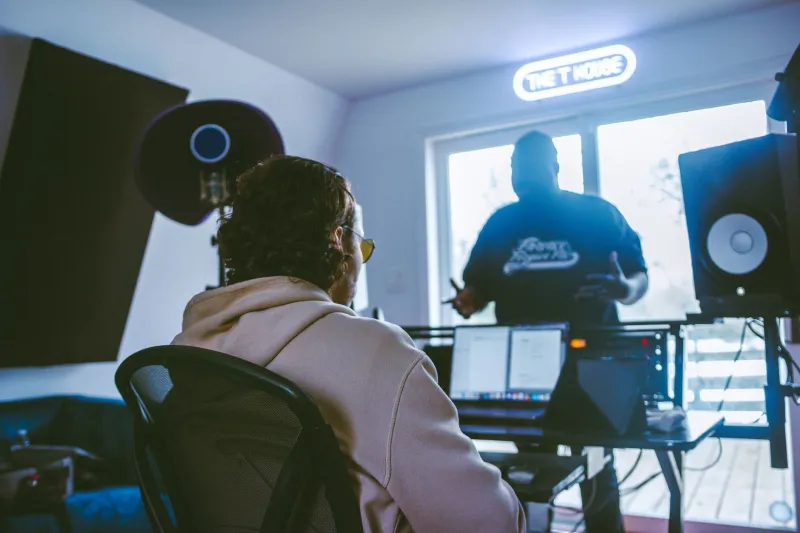
There's a popular image of the solo artist holed up in a bedroom studio, headphones on, completely cut off from the world. Maybe a dim lamp. Definitely a cold cup of coffee. The tortured genius, alone with their craft.
The reality in 2024 looks nothing like that.
Independent musicians — people who operate without label contracts, without A&R handlers, without corporate infrastructure — are quietly building some of the most densely collaborative creative networks the music industry has ever produced. And if you want to understand how that happened, it helps to listen to what's coming out of places like Solo, Indonesia, where artists have been doing this longer than most American audiences realize.
The Myth We Keep Telling Ourselves
American music culture loves the lone genius story. Dylan with his typewriter. Springsteen in the dark. Kanye locking himself in a studio for weeks. The narrative of solitary brilliance is deeply baked into how we romanticize artistic success.
But even those legends were never truly alone. Dylan had a scene. Springsteen had a band. Kanye had an entire production ecosystem around him. The myth persists anyway, partly because it makes for a better story, and partly because it conveniently supports the idea that you need to be exceptional — singular, even — to break through.
That framing has always benefited the people selling access to the infrastructure. Labels, management companies, PR firms. If success requires being one-in-a-million, then you need the gatekeepers to tell you whether you're that person.
Solo artists today are dismantling that logic from the inside out.
What Remote Collaboration Actually Looks Like
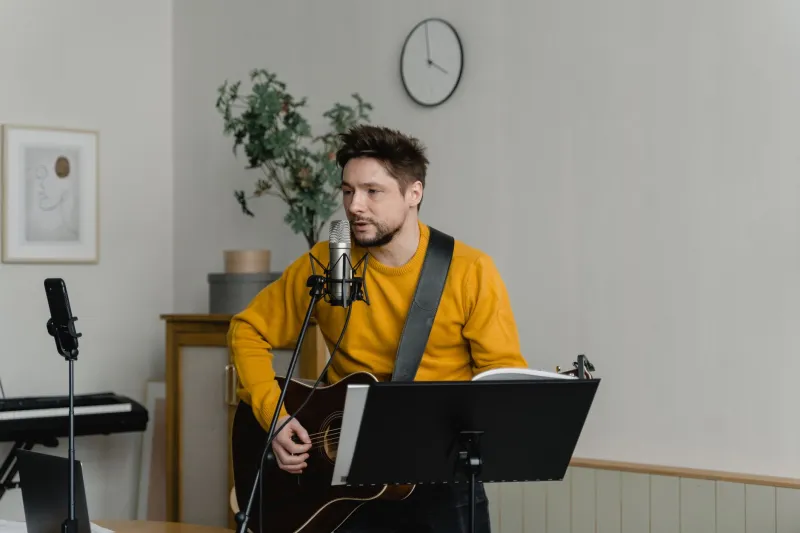
Here's what a typical project might look like for an independent artist based in Solo, Central Java, right now. They write a chord progression and rough vocal melody, record it on a modest home setup, then drop the stems into a shared folder. A producer in Jakarta adds a drum arrangement. A guitarist in Yogyakarta sends back three different takes. Someone in Berlin — who found the artist through a Discord server dedicated to Indonesian indie music — contributes a synth layer. The original artist assembles everything, mixes it themselves or hires a freelance engineer they met on a forum, and releases it under their own name.
No label. No A&R. No one telling them the chorus needs to be shorter or the lyrics need to be more radio-friendly.
This isn't a hypothetical. This is Tuesday for a growing number of artists streaming on platforms like Solo Radio, where the programming reflects a music scene that has been operating this way for years. The tools — cloud-based DAWs, real-time stem sharing, Discord communities, even TikTok comment sections — have made geography almost irrelevant to creative partnership.
Why "Solo" Doesn't Mean What It Used To
When we say an artist is "going solo," we typically mean they've stepped away from a group or a label situation. The word implies independence in the sense of separation — from structures, from partners, from institutional support.
But the artists redefining that term aren't separating themselves from community. They're just building a different kind of it.
Peer feedback loops are a huge part of this. Online producer communities — SoundBetter, Splice, Reddit's r/WeAreTheMusicMakers — function as informal A&R, mixing desks, and focus groups all at once. Artists post works-in-progress and get brutally honest, surprisingly sophisticated feedback from strangers who have no stake in flattering them. That kind of unfiltered critique used to be the exclusive domain of people who could afford to workshop material in professional settings.
Open-source production tools have leveled things further. LMMS, Ardour, and a handful of other free or low-cost platforms have made it so that the barrier to entry for high-quality production is closer to a decent laptop and a reliable internet connection than it is to a $500-per-hour recording studio.
The Feature Economy
One of the clearest signals of this shift is the explosion of featured artists on independent releases. Scroll through any playlist featuring emerging acts from Southeast Asia, West Africa, or even the American Midwest right now, and you'll notice that the feature credit — "feat." — shows up constantly. Not because labels are brokering deals between signed acts, but because artists are reaching out to each other directly, often through social media or shared fan communities.
For artists in Solo, Indonesia, the feature economy has been a vehicle for cross-cultural reach that no marketing budget could have replicated. A Javanese indie pop artist collaborating with a bedroom producer from Atlanta or a vocalist from Lagos isn't just making interesting music — they're swapping audiences in real time. Each feature is a handshake between fan bases.
American listeners who discover Solo Radio often describe a similar experience: they came for one artist, stayed because a featured collaborator caught their ear, and ended up down a rabbit hole of interconnected independent acts they'd never have found through a major streaming algorithm.
What the Labels Still Don't Get
The traditional label argument for why artists need institutional support has always rested on a few pillars: funding, distribution, marketing, and connections. You need us to get your music made, to get it heard, and to get you in the room with the right people.
Each of those pillars has been quietly eroding for years, but the collaboration piece is the one that gets talked about least. Labels are great at connecting artists within their own rosters. They're not particularly good at facilitating the kind of organic, interest-driven creative partnerships that emerge when musicians are free to reach across genres, time zones, and cultural contexts without anyone approving the guest list.
What's happening in scenes like Solo's isn't just a workaround for artists who couldn't get signed. It's a genuinely different model for how creative relationships form — one that prioritizes shared aesthetic interests over commercial compatibility.
The Sound of Networked Creativity
If you haven't spent time with music coming out of Central Java's independent scene lately, it's worth your time. What you'll hear isn't a genre so much as a sensibility — music that carries the fingerprints of multiple contributors without sounding like it was designed by committee. The seams between collaborators aren't hidden; sometimes they're the most interesting part of the track.
That quality — the texture of multiple creative voices in conversation — is increasingly what distinguishes independent releases from major label product. Label music tends to sand those edges down in the name of cohesion. Independent music often leaves them in, because the artists making it understand that the conversation is part of the point.
Solo Radio has been amplifying that conversation for a while now, broadcasting it well beyond the borders of Central Java. And the American listeners tuning in aren't just discovering new music — they're getting a front-row seat to a creative model that's quietly making the old one look pretty outdated.
The solo artist isn't alone. They never really were. They just finally have the tools to prove it.