Going It Alone Has Never Paid Better — Here's Why Solo Artists Are Winning
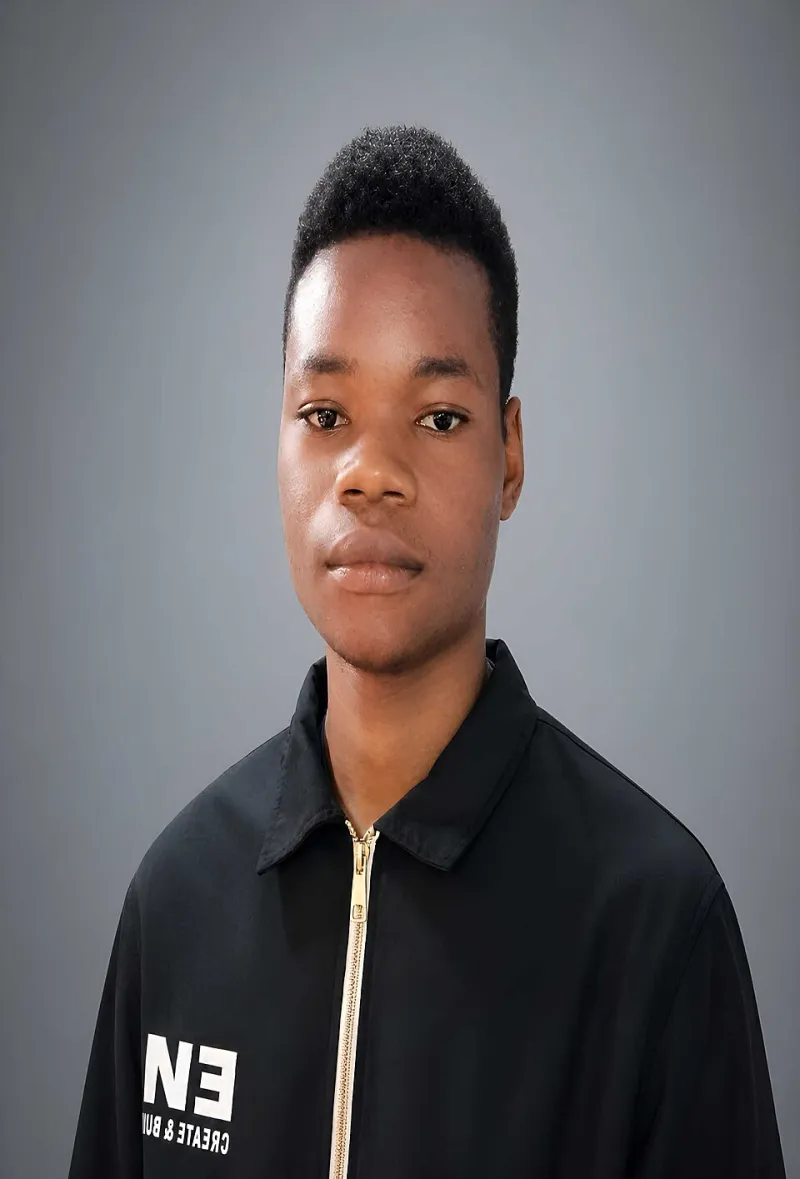
Photo: Femskid, CC BY-SA 4.0, via Wikimedia Commons
There's a version of the music industry story that most of us grew up believing. You grind, you get discovered, you sign a deal, and then — finally — you make it. A major label becomes your rocket ship. Without one, you're basically just a person with a guitar and a dream that's going nowhere fast.
That story is getting harder to tell with a straight face.
Across genres, across continents, and increasingly across the airwaves of places like Solo Radio, something different is happening. Independent musicians — people operating without label backing, without a band splitting the bills, without a management team running interference — are quietly building careers that are not just sustainable but genuinely fulfilling. And in a lot of cases? More profitable than the old model ever promised to be.
The Loneliness Problem Nobody Talks About
Here's the part music industry profiles tend to skip over: going solo is actually kind of brutal, at least at first. It's not just the financial pressure, though that's real. It's the psychological weight of making every single decision yourself — the artwork, the rollout, the pricing, the reply to that one weird DM at 11pm.
Raissa, a singer-songwriter based in Solo, Indonesia, who's been building her audience through a combination of streaming and live acoustic sessions streamed via Solo Radio's platform, describes it plainly. "There's no one to blame when something goes wrong," she says. "But there's also no one to share the win with — at least not at first. You have to get comfortable with both of those things."
That emotional reality is something a lot of artist profiles gloss over in favor of the inspiring hustle narrative. But it matters, because the musicians who are actually succeeding in the solo-independent space tend to be the ones who figured out how to manage that loneliness rather than pretend it doesn't exist.
The answer, for many of them, turned out to be the fans themselves.
Direct-to-Fan Isn't Just a Revenue Strategy — It's a Relationship
Platforms like Patreon, Bandcamp, and Substack have been around long enough now that we can actually evaluate what works. And what the data — along with a growing pile of artist testimonials — keeps showing is that the value isn't primarily financial. It's relational.
When a musician in Columbus, Ohio offers their 200 Patreon subscribers early access to demos, handwritten lyric sheets, or a monthly voice memo about what they've been listening to, those subscribers aren't just paying for content. They're paying to feel close to something real. They're opting out of the algorithmic noise and into a genuine human connection.
That shift in framing changes everything about how sustainable solo careers get built. Instead of chasing streams — where the payout per play is so fractional it barely registers — artists are increasingly thinking in terms of a smaller, more committed audience. A thousand true fans, as the old Kevin Kelly theory goes, can fund a real career. You don't need a million casual listeners. You need a few hundred people who genuinely show up.
For artists broadcasting through or featured on regional platforms like Solo Radio, this model has an interesting amplification effect. The station's international listenership — which has grown substantially among US audiences over the past couple of years — exposes artists to listeners who are specifically seeking out something outside the mainstream. Those listeners are already predisposed to dig deeper, follow an artist back to their own channels, and become exactly the kind of invested fan that makes the direct model work.
The Business Case for Staying Independent
Let's talk numbers for a second, because the emotional case for independence only goes so far when rent is due.
A mid-tier major label deal in 2024 typically involves the label recouping its investment before the artist sees meaningful royalty income. Advances sound exciting until you realize they're essentially loans against future earnings — earnings the label controls the accounting on. The artist owns less, earns less per unit, and often surrenders creative input in exchange for marketing muscle that may or may not ever materialize.
Contrast that with an independent artist who keeps 100% of their Bandcamp sales, takes home the majority of their Patreon revenue, and licenses their music directly to sync opportunities. The ceiling is lower — you're not going platinum without a major's distribution machine behind you — but the floor is higher and more stable. You know exactly what you're making and why.
Djoko, an electronic producer from Solo whose ambient work has found an unexpected following among American listeners who discovered him through Solo Radio's late-night programming, puts it this way: "I make enough to keep making music. I don't make enough to stop my day job yet. But I own everything I've made. That feels like something."
That sentiment — modest by industry standards, but grounded in real ownership — is increasingly the goal rather than the consolation prize.
What the Successful Ones Do Differently
After talking to a range of independent solo artists across different genres and regions, a few patterns emerge pretty consistently.
They treat their mailing list like gold. Social media platforms change their algorithms constantly. Email doesn't. Artists who built direct contact lists — even modest ones — have a line of communication that no platform can take away.
They release consistently rather than perfectly. The artists grinding out a steady stream of content, even imperfect content, tend to outperform the ones waiting for the definitive album. Audiences reward presence.
They find their specific listeners rather than chasing broad appeal. This is maybe the biggest mindset shift. The goal isn't to be liked by everyone. It's to be essential to someone. Regional platforms like Solo Radio are actually useful here — they help artists reach audiences who are already curious about something beyond the familiar.
They collaborate without merging. Solo doesn't mean isolated. The most successful independent acts are constantly co-writing, featuring on each other's tracks, and cross-promoting — they just maintain their own identities and revenue streams in the process.
The Bigger Picture
There's something worth sitting with here, beyond the career strategy. The rise of the sustainable solo artist is, in a lot of ways, a story about what listeners actually want right now.
People are tired of music that feels like a product. They're seeking out voices that feel personal, scenes that feel real, and connections that feel earned. That's why a radio station broadcasting from Central Java can build a meaningful audience in the American Midwest. That's why a singer-songwriter with 800 Patreon supporters can feel more secure than an artist with a million streams and a label deal that's bleeding them dry.
Going it alone used to mean going nowhere. Increasingly, it means going exactly where you want — and taking your people with you.