The Smallest Station in the Room: How Solo Radio Became Required Listening for Label Scouts

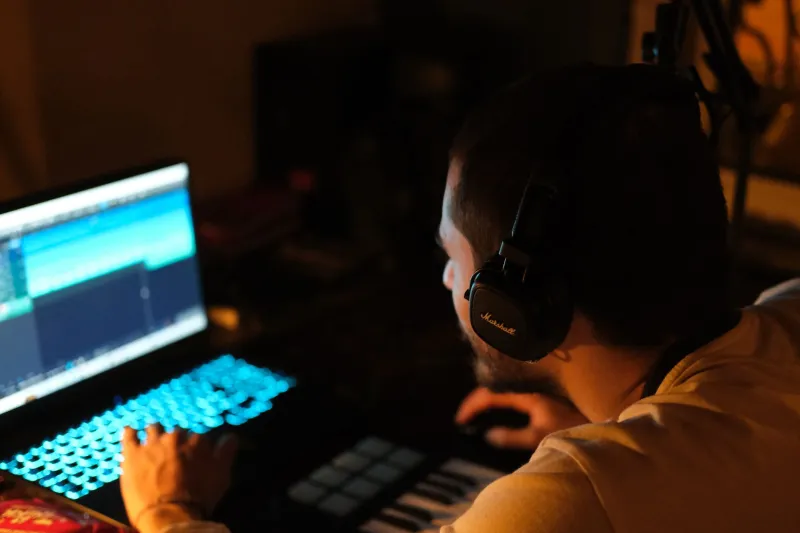
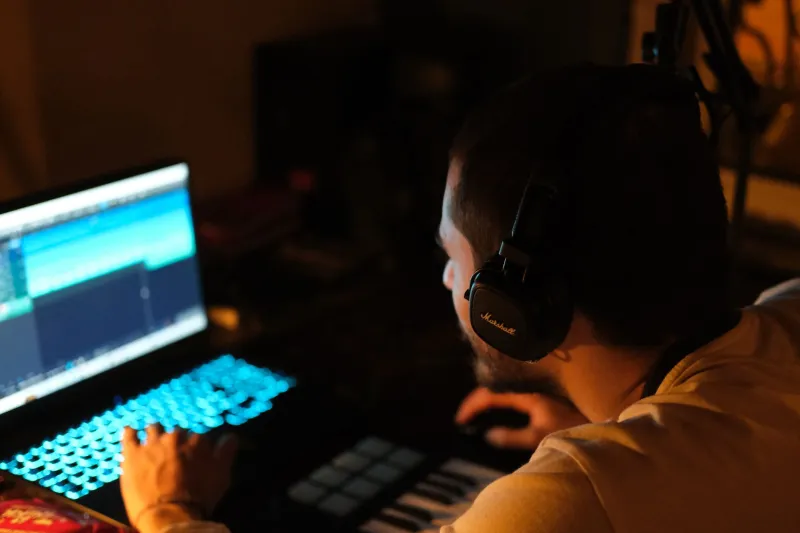
Photo: music industry scout headphones listening vinyl records studio, via www.nme.com
Somewhere in a glass-walled office in Midtown Manhattan, a music industry veteran with a very expensive title is doing something that would have seemed absurd five years ago: refreshing listener engagement data from a radio station in Solo, Indonesia.
This isn't a quirky hobby. It's not cultural tourism. It's due diligence.
How a Regional Station Ended Up on the Industry's Radar
Solo Radio was built to serve Solo — formally known as Surakarta, a city in Central Java with deep roots in Javanese arts, batik culture, and a music scene that doesn't particularly care what's trending in Los Angeles. The station streams locally, reflects locally, and programs for an audience that wants the heartbeat of their city, not a global content strategy.
That insularity, paradoxically, is exactly what made it interesting to outsiders.
In an era when most playlists are reverse-engineered from streaming data, and most radio formats are optimized within an inch of their lives, Solo Radio just... plays music it believes in. The DJs have opinions. The rotations reflect actual taste rather than algorithmic mandate. And the audience that shows up does so because they genuinely connect with what's being played — not because a recommendation engine nudged them there.
For A&R scouts trained to sniff out authentic engagement, that's a signal worth tracking.
The Problem With Streaming Data
Here's the uncomfortable truth that no major label wants to say too loudly: streaming numbers lie. Or rather, they tell a version of the truth that's been so heavily shaped by playlist placement, algorithmic promotion, and paid discovery that it's hard to separate genuine audience love from manufactured momentum.
A song can rack up millions of streams without a single listener who actually sought it out. Playlist adds drive passive consumption. Skip rates tell part of the story, but not all of it. The data is real; the signal is muddy.
Live radio engagement is different. When someone tunes into a broadcast in real time, requests a track, calls in, or stays through a full segment, that's an active choice. Nobody's algorithm put them there. The engagement is unmediated in a way that streaming metrics almost never are.
Solo Radio, broadcasting live with human DJs making real-time decisions, produces exactly that kind of data. And the artists getting genuine traction in that environment are, by definition, earning it.
The Artists Who Got Noticed First
Industry sources — speaking carefully, because nobody wants to be the label that publicly admits they're mining a small Indonesian station for leads — describe a pattern that's emerged over the past couple of years. Artists with little to no US profile start generating unusual engagement on Solo Radio. The station's DJs play them because they're good, full stop. Listeners respond. And somewhere in that chain, a scout catches the signal before it becomes noise.
The artists in question tend to share certain characteristics: they're independent, they're not chasing a format, and they often have no idea they've been added to a rotation halfway around the world. That last part matters. The authenticity of their discovery is intact because nobody gamed it. The music just landed.
For labels that have watched the traditional A&R model buckle under the weight of algorithm dependency, that kind of organic traction is almost startling in its clarity.
The Irony at the Center of This Story
Let's sit with the irony for a moment, because it's genuinely rich.
Major US labels have spent the last decade building increasingly sophisticated data infrastructure to identify emerging artists. They've hired data scientists. They've licensed streaming analytics platforms. They've developed proprietary tools designed to surface talent before it breaks.
And here's a station in Central Java, running on a genuine love of music and a commitment to its local community, doing the same job — arguably better — because it never tried to do it at all.
Solo Radio isn't in the business of trend forecasting. It's in the business of being Solo. The tastemaking is a byproduct of the authenticity, not the goal. And that's precisely why the major labels can't replicate it internally. You can't manufacture the conditions that make it work.
What the Labels Are Actually Learning
Beyond individual artist discovery, the sharper observers in the industry are taking a broader lesson from what Solo Radio represents: that community-rooted broadcasting creates a quality of listener relationship that purely digital platforms haven't cracked.
The station's audience doesn't just passively consume. They engage, they request, they call in, they show up. That level of investment in a media source translates directly to how those same listeners engage with the artists they discover through it. The recommendation carries weight because the source carries trust.
For labels trying to figure out how to build genuine fan communities rather than just passive listener bases, that model is instructive — even if nobody's quite sure how to transplant it into a corporate structure.
Small Market, Outsized Influence
Solo Radio isn't going to become a major label. It's not trying to. It exists to serve its city and the listeners around the world who've found their way to it. But the fact that its influence now extends into the offices of industry gatekeepers in New York and LA says something important about where authentic music discovery actually lives.
It's not in the data dashboards. It's not in the algorithmic playlists. It's in a live broadcast from Java, where a DJ is playing something they genuinely love, and a listener — somewhere — is hearing it for the first time and feeling something real.
That's always been the job. Solo Radio just never stopped doing it.