No Label, No Problem: The Indonesian Artists Quietly Building American Fanbases From Solo's Living Rooms
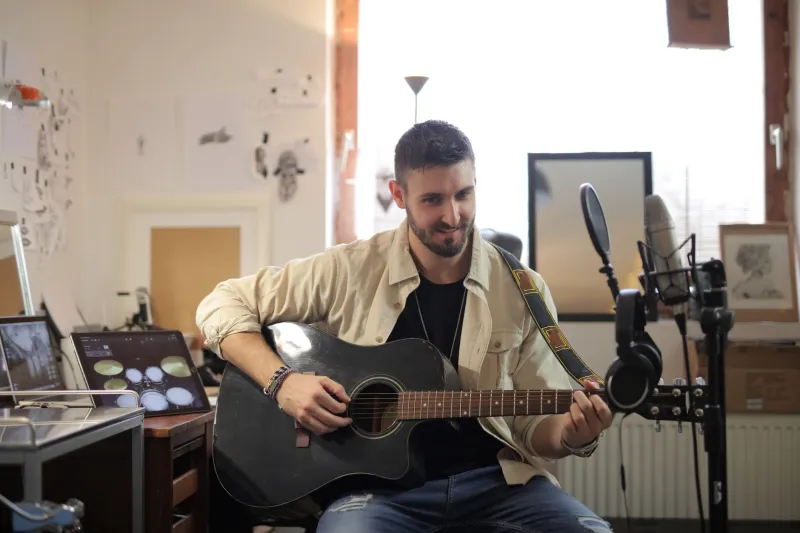
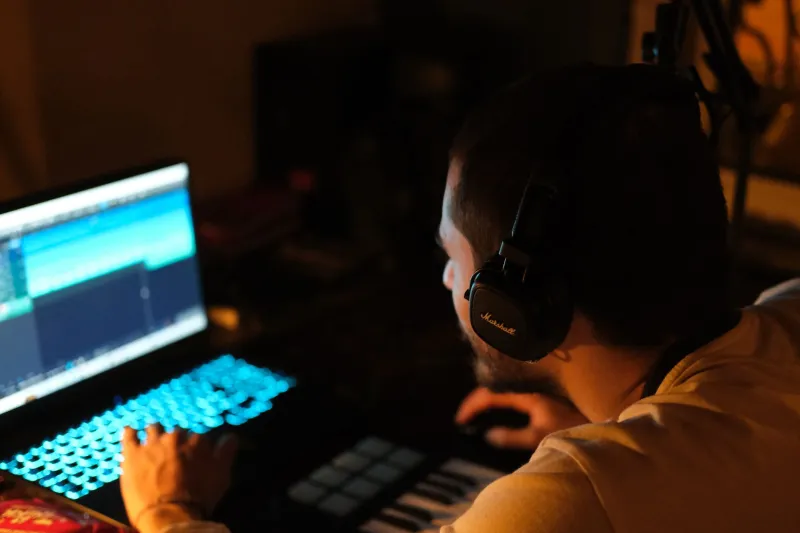
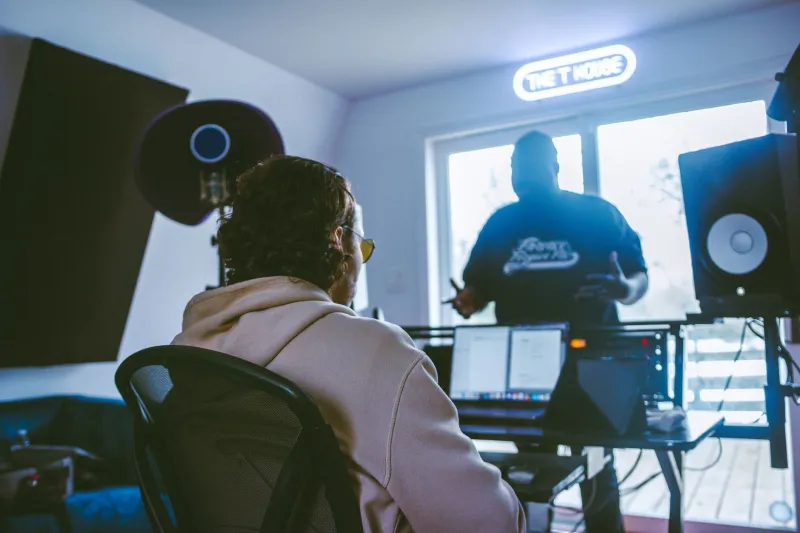
Rini Kusuma records her music in a room that used to be a storage space. The acoustic panels on the walls are repurposed moving blankets. Her audio interface cost about $120. And she has fans in Portland, in Nashville, in a suburb of Atlanta — people who found her through Solo Radio and have been following her work for the better part of two years.
She has never spoken to a label rep. She doesn't plan to.
"What would they give me that I don't already have?" she asked, genuinely curious rather than defiant. "Distribution? I have that. Promotion? I have Solo Radio. A contract that takes 80% of my revenue? No thank you."
Rini is one of a growing cohort of independent musicians from Solo, Indonesia who are doing something the major labels genuinely didn't see coming: building real, loyal international audiences without any of the traditional infrastructure. No A&R meetings. No advance deals. No tour support from a corporate parent. Just music, a regional radio platform with an increasingly global reach, and a direct line to listeners who actually care.
The Platform That Made It Possible
Solo Radio has always had a mandate to showcase local talent. That's not unusual for regional stations — supporting homegrown artists is Radio 101. What's different here is the audience that local mandate accidentally captured.
As Solo Radio's international listenership grew — driven largely by American remote workers and night-shift employees who stumbled onto the stream and stayed — the local music it was already playing started reaching ears it was never originally aimed at. Indonesian indie rock, contemporary gamelan fusion, lo-fi pop sung entirely in Javanese: all of it landing in American apartments and cars and offices, carried there by a radio station just doing its job.
For artists like Rini, that exposure came without any additional effort on their part. They made music for their city. Solo Radio played it. Americans heard it. Some of them looked up the artist, found a Bandcamp page or a streaming profile, and became fans.
The pipeline, once you see it, is almost elegant in its simplicity.
The Economics Are Actually Working
Independent music economics are notoriously brutal. Streaming royalties from major platforms are famously terrible — fractions of a cent per play, requiring millions of streams before an artist sees meaningful money. The standard critique of the independent route is that it trades label exploitation for poverty.
But that critique assumes the only revenue model is streaming volume. The artists coming out of Solo's independent scene are working with a different playbook.
Dimas Hartono, a producer and multi-instrumentalist who blends traditional Central Javanese percussion with contemporary electronic production, breaks it down matter-of-factly. "Streaming is not where I make money. Streaming is where people find me. I make money on direct sales, on licensing, on commissions from international listeners who want custom work."
That last category is newer than you'd think. American listeners who discover an artist through Solo Radio and feel a genuine connection — the kind that comes from hearing someone's music in a live, communal context rather than as an algorithmic recommendation — are more likely to spend money directly. Bandcamp purchases. Patreon subscriptions. Direct commissions for music used in YouTube videos, podcasts, and indie games.
"I had someone in Texas pay me to write a piece for their wedding," Dimas said. "They found me through the radio. That one commission was more than six months of streaming revenue."
Navigating International Copyright Without a Legal Team
This is where the story gets complicated, and where major labels would normally argue their value. International copyright law is genuinely messy. An Indonesian artist licensing music for use in American commercial contexts faces a thicket of bilateral agreements, performing rights organization registrations, and platform-specific terms that can be genuinely difficult to navigate without professional help.
But the independent artist community around Solo has developed informal knowledge networks that partially fill this gap. Online forums, WhatsApp groups, and community sessions hosted by Solo Radio itself have helped artists learn the basics: how to register with international PROs, how to structure licensing agreements for international use, which distribution platforms handle cross-border royalty collection most reliably.
It's not perfect. Several artists we spoke to acknowledged losing revenue to gaps in their copyright infrastructure, particularly in early years. But the learning curve is shortening as the community grows and knowledge gets shared.
Aulia Sari, a singer-songwriter who performs in a mix of Indonesian and English, is now meticulous about her rights management in a way she wasn't three years ago. "I lost some money early on because I didn't understand how American sync licensing worked. Now I do. I learned from other artists who made the same mistakes. Nobody had to pay a lawyer for me to figure it out."
What the Labels Missed — And Why It's Too Late to Catch Up
The major label model is built on scarcity and gatekeeping. You need us to get distribution. You need us to get radio play. You need us to get in front of international audiences. For most of music history, that was true enough to give labels their leverage.
What Solo's independent artists represent is a concrete case study in what happens when all three of those things become accessible without a label's help. Global digital distribution exists. Solo Radio provides a platform with genuine international reach. And direct-to-fan relationship building, done consistently over time, creates the kind of audience loyalty that label-backed artists often struggle to achieve.
The listeners who find Rini or Dimas or Aulia through Solo Radio didn't have them pushed by a marketing budget. They discovered them organically, in the context of a live, trusted broadcast. That discovery experience creates a different quality of fan — one who feels like they found something, rather than being sold something.
"My American fans feel like they know a secret," Rini said, smiling. "They tell their friends about me like they discovered me themselves. Because they did."
The labels saw the streaming revolution coming. They adapted, grudgingly. They didn't see a regional radio station in Central Java quietly building a pipeline of independent Indonesian artists into American living rooms. That one caught them flat-footed. And the artists making music in repurposed storage rooms are just fine with that.