You Can't Make It Alone Anymore — Even When You're Making It Alone
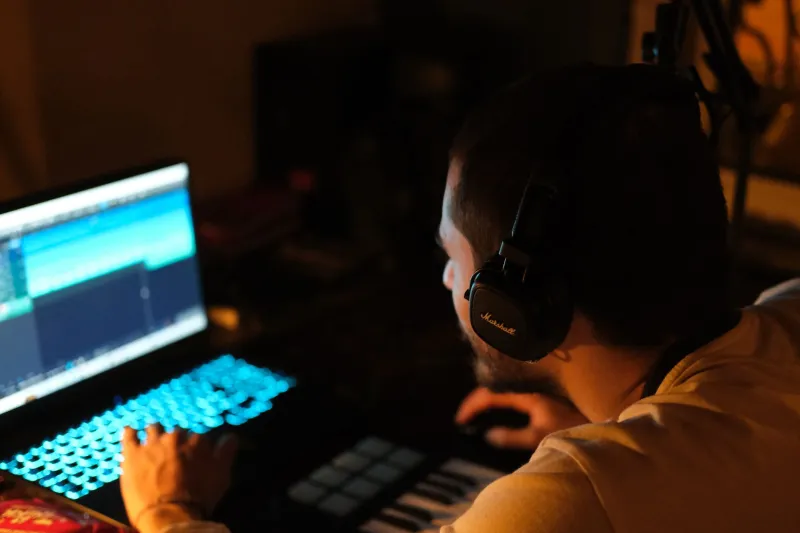
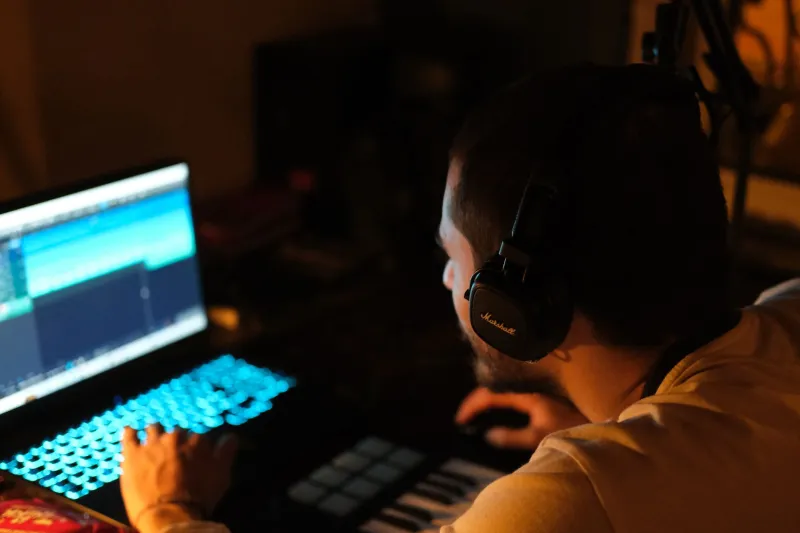
There's a specific kind of quiet that settles into a home studio around 2 AM. No engineer adjusting levels in the next room. No bandmates arguing over the bridge. Just you, a pair of monitors, and whatever you're trying to say. For a growing number of independent musicians, that silence is both the creative sweet spot and the central contradiction of their careers.
Because here's the thing: making music alone has never been more viable. And making music alone has never demanded more from you socially, strategically, and globally.
Welcome to the solo artist paradox.
The Math Changed. So Did the Mindset.
Fifteen years ago, a musician recording in their bedroom was either a hobbyist or someone waiting for a label deal to make things real. The infrastructure for turning isolated creative work into actual income barely existed. Then streaming arrived, distribution platforms democratized access, and suddenly the bedroom became a legitimate launchpad.
But the tradeoff is steep. Streaming revenue only makes sense at scale — and scale, for an independent artist without label backing, means listeners spread across dozens of countries, not just fans in your hometown. A musician in Columbus, Ohio pulling 50,000 monthly Spotify streams from listeners in the US, Germany, Brazil, and Indonesia is doing better than one with 80,000 streams concentrated in a single market. Algorithmic playlist placement, discovery features, and editorial consideration all reward geographic diversity in ways that push artists to think internationally whether they want to or not.
Raquel Mendez, a singer-songwriter based out of Austin who releases under her own name, put it plainly in a recent conversation: "I started making music for myself and my friends. Within two years I had listeners in places I'd never even googled. You adapt or you ignore it — but ignoring it means leaving money on the table."
That adaptation isn't just logistical. It's psychological.
Creating in a Vacuum, Performing for the Planet
The creative process for most solo artists is intensely private. You're writing from personal experience, arranging alone, making hundreds of micro-decisions without anyone to bounce ideas off. The work is intimate by design.
And then you upload it, and strangers in Jakarta are adding it to their morning commute playlist.
This whiplash — from the deeply personal to the broadly public, instantly — is something working musicians are only beginning to process openly. There's a growing conversation in independent music communities about the psychological weight of creating in isolation while existing, professionally, as a global entity.
Marco Tillman, an electronic producer from Chicago who's built a following across Southeast Asia and Western Europe without ever touring internationally, describes it as a kind of productive dissociation. "When I'm in the studio, I'm not thinking about who's listening. I can't — it would paralyze me. But when I'm doing the business side, the promotion, the analytics, I'm thinking about listeners in ways that feel completely separate from the creative part of my brain."
That split is increasingly common. The artists who seem to be thriving aren't pretending the global audience doesn't exist — they're just learning when to let it in and when to shut the door.
Who Gets to Be a 'Working Musician' Now?
The definition has genuinely shifted. In 2024, a working musician doesn't necessarily mean someone touring 200 days a year or someone with a major label advance. It increasingly means someone who has built a sustainable revenue ecosystem — streaming, sync licensing, Bandcamp sales, Patreon support, merchandise — that draws from multiple income streams and multiple geographic markets.
This is good news for a lot of people who were previously locked out. Artists with disabilities who can't tour. Parents who can't leave for months at a time. People in smaller cities without access to major music industry infrastructure. The bedroom studio plus global streaming model has genuinely widened the door.
But it's also created new gatekeeping mechanisms that are less visible and harder to fight. The artists succeeding in this model tend to be digitally fluent, comfortable with self-promotion, and able to sustain output consistently — qualities that favor certain backgrounds and personalities over others. The hustle has just moved online.
And the loneliness of it is real. Playing a show in your city, even a small one, gives you immediate feedback. People dancing, people standing still, someone catching your eye during a song that matters to you. Recording alone and releasing into the digital void offers none of that. You wait for numbers to update. You check your listener geography on a dashboard. It's a fundamentally different emotional experience.
Solo, Indonesia to Solo Artist, Everywhere
Here at Solo Radio, we've been watching this shift from an interesting vantage point. Our signal originates in Solo, Central Java — a city with a deep musical heritage that doesn't always make it onto Western radar. But the artists coming out of this scene are increasingly fluent in exactly the kind of global thinking that modern independent music demands.
They're making music rooted in local tradition while simultaneously building audiences in the US, Australia, and across Europe. They're navigating the same paradox as that producer in Chicago or the singer-songwriter in Austin: creating something personal and place-specific while understanding that sustainability requires listeners who will never set foot in Solo.
What's interesting is that the specificity seems to help rather than hurt. The music that travels isn't always the most generic. Sometimes it's the most distinctly itself — the gamelan influence in a pop track, the batik-pattern rhythm of a percussion arrangement — that makes a listener in Portland or Nashville stop and actually pay attention.
The Shift You Can't Unlearn
Once you start thinking globally, it's hard to stop. Artists who've built international audiences describe a kind of permanent perspective shift — a before and after in how they approach both the creative and business sides of their work.
The question of who you're making music for becomes genuinely complicated. You're making it for yourself. You're making it for the local community that shaped you. And you're making it for someone in a country you've never visited who found you through an algorithm and now knows your lyrics better than your neighbors do.
That last part used to be impossible. Now it's just Tuesday.
The solo artist paradox isn't going away. If anything, it's deepening — more tools, more access, more pressure to be everywhere while staying grounded in the room where the work actually happens. The musicians figuring out how to hold both of those truths at once, without losing either one, are the ones defining what this era of music actually looks like.
And they're doing it alone. Together. From everywhere at once.